01
Scattered information
Important work lives across email, spreadsheets, documents, and conversations.
PurposeFlow helps organizations replace repetitive work, scattered information, and unclear ownership with practical systems that improve visibility, accountability, and efficiency.
5–7 minutes · No technical knowledge required · No purchase obligation
Connected workflow
Designed for organizations that need
The operational reality
Repeated data entry, scattered information, manual follow-ups, and unclear ownership quietly consume time and weaken performance. PurposeFlow identifies these gaps and turns them into structured, measurable workflows.
Important work lives across email, spreadsheets, documents, and conversations.
Progress depends too heavily on people remembering what needs to happen next.
Leaders cannot easily see performance, delays, ownership, or emerging risks.
PurposeFlow in 30 seconds
A quick look at why everyday work becomes harder than it should—and how connected systems create clarity, visibility, and better follow-through.
What we build
The technology comes second. Every solution begins with the process, the people involved, and the result the organization needs.
Reduce repetitive work, automate routine handoffs, and keep tasks moving without relying on memory.
Give teams a structured, user-friendly way to capture, manage, and act on information.
Transform operational data into clear dashboards that support faster, better-informed decisions.
The outcome
Practical applications
Different sectors experience different pressures, but the underlying pattern is often the same: fragmented work, unclear responsibility, and limited visibility.
Use case 01
Featured application case study
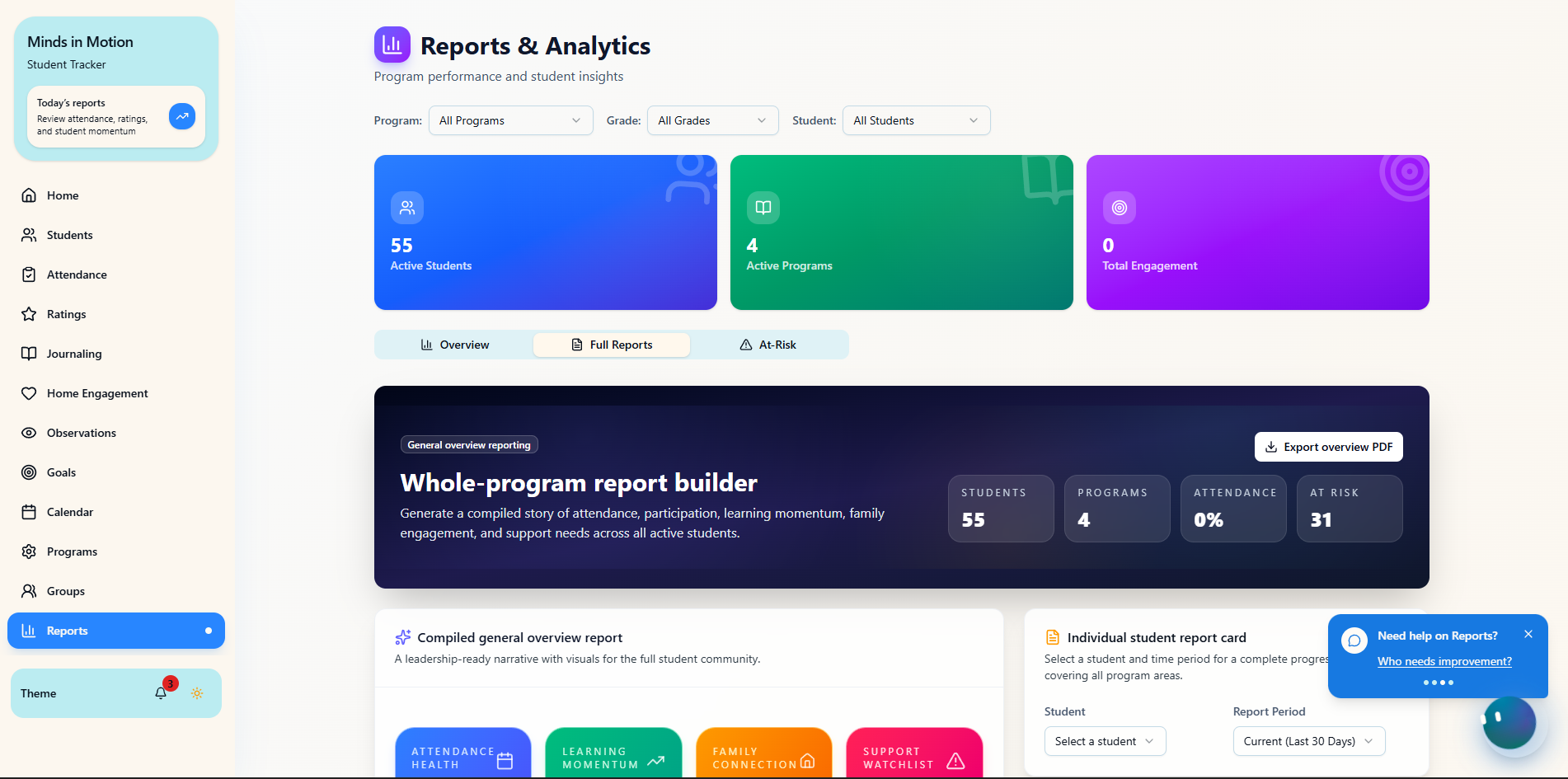
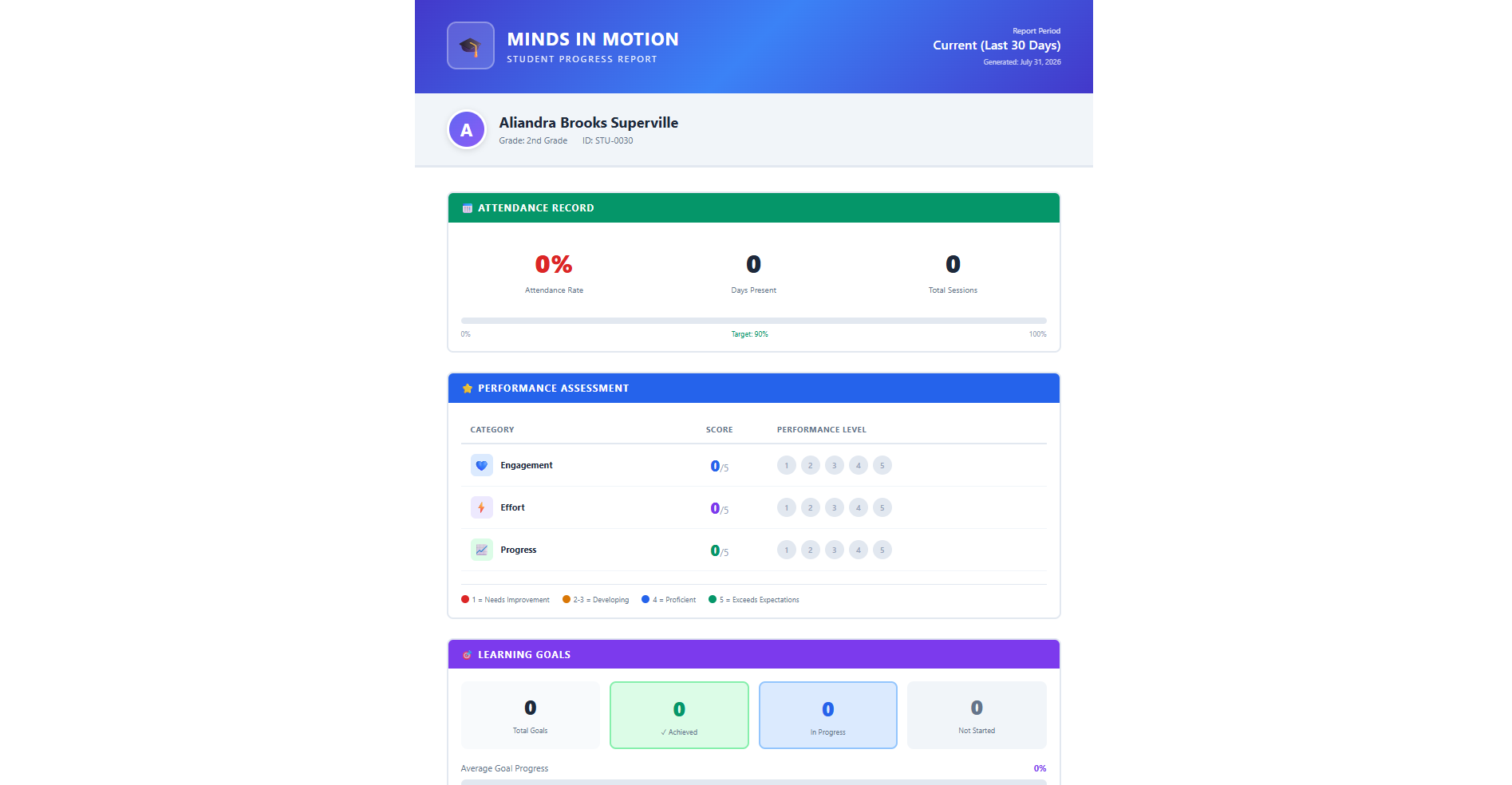
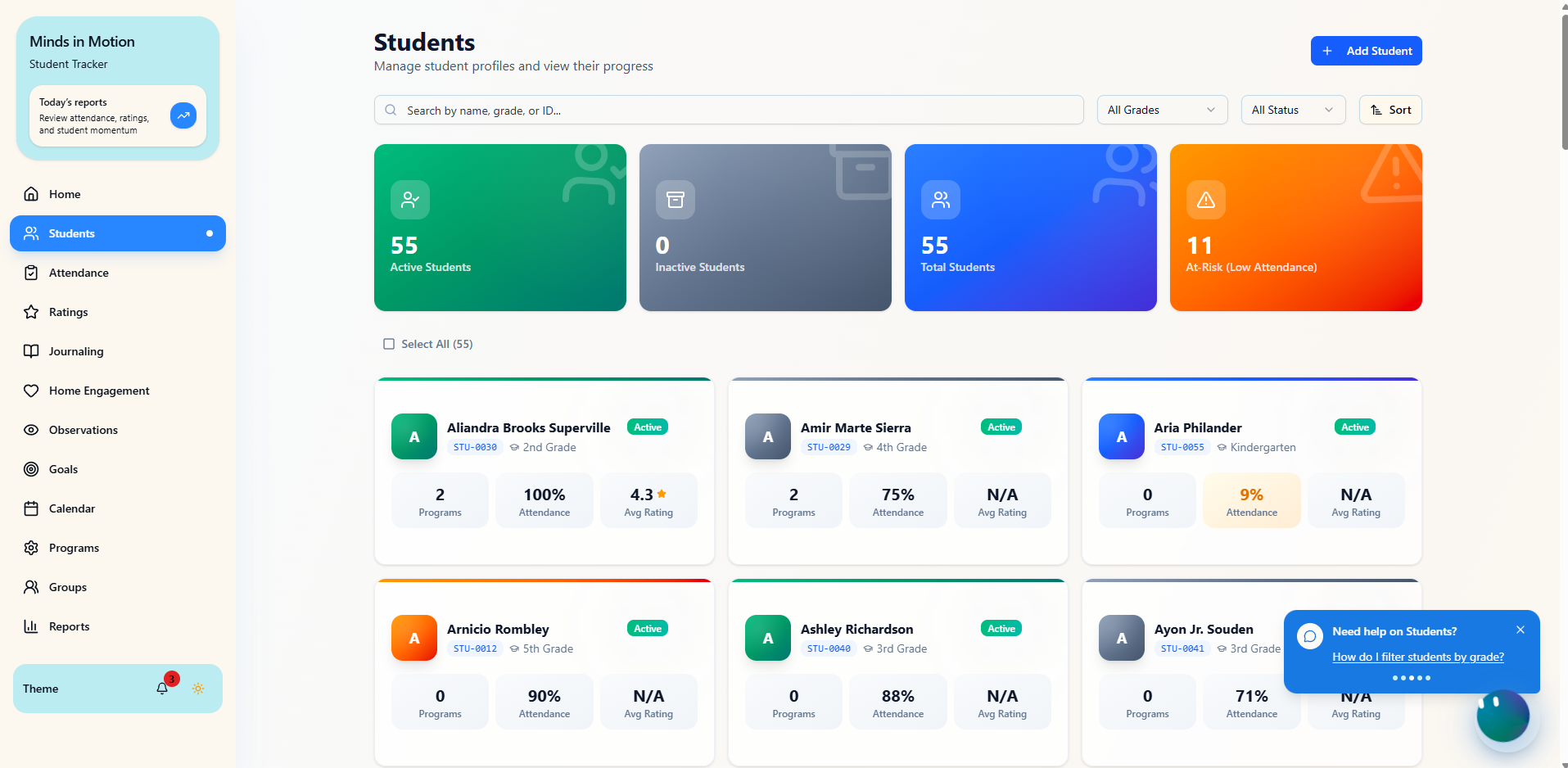
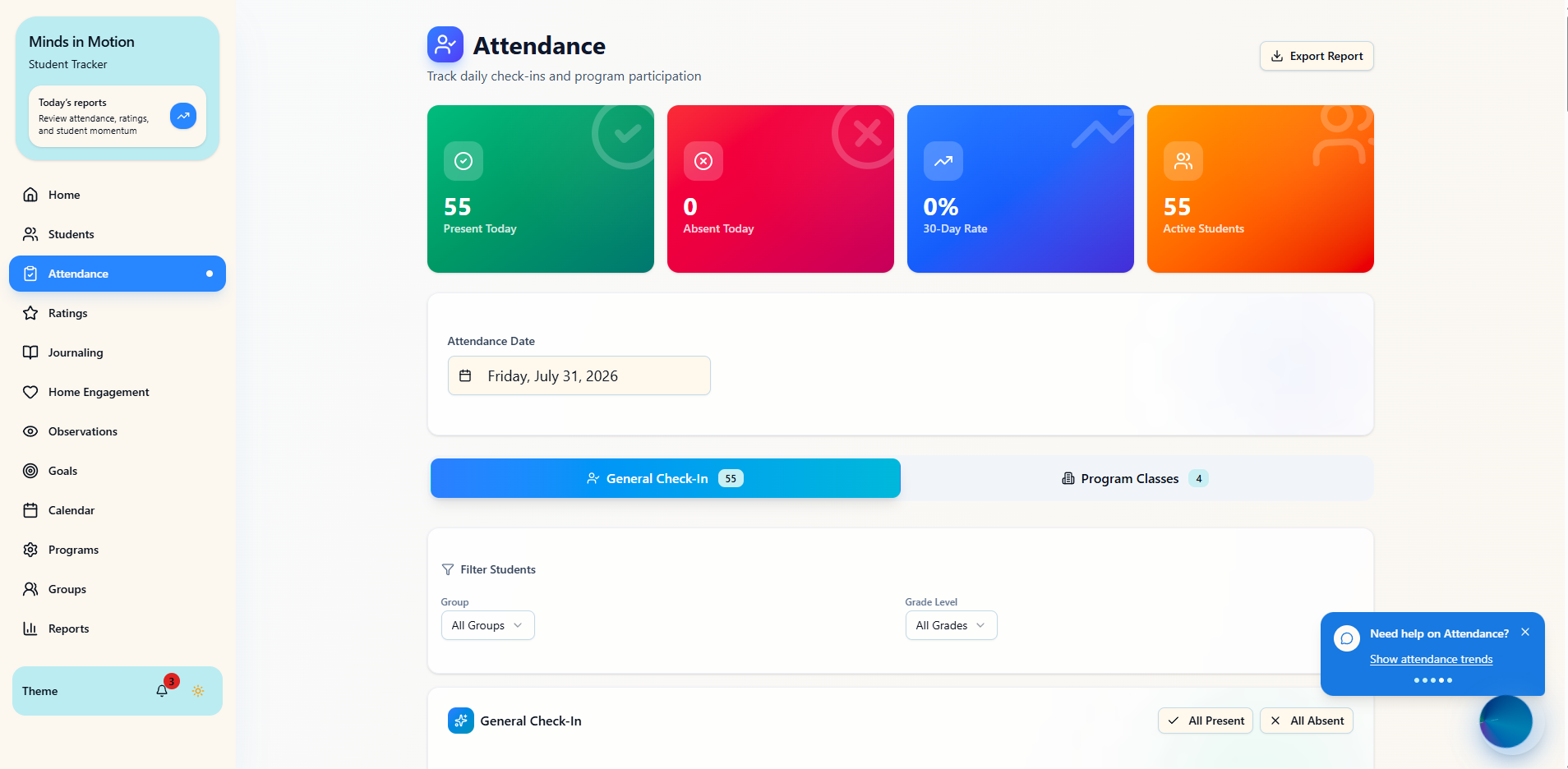
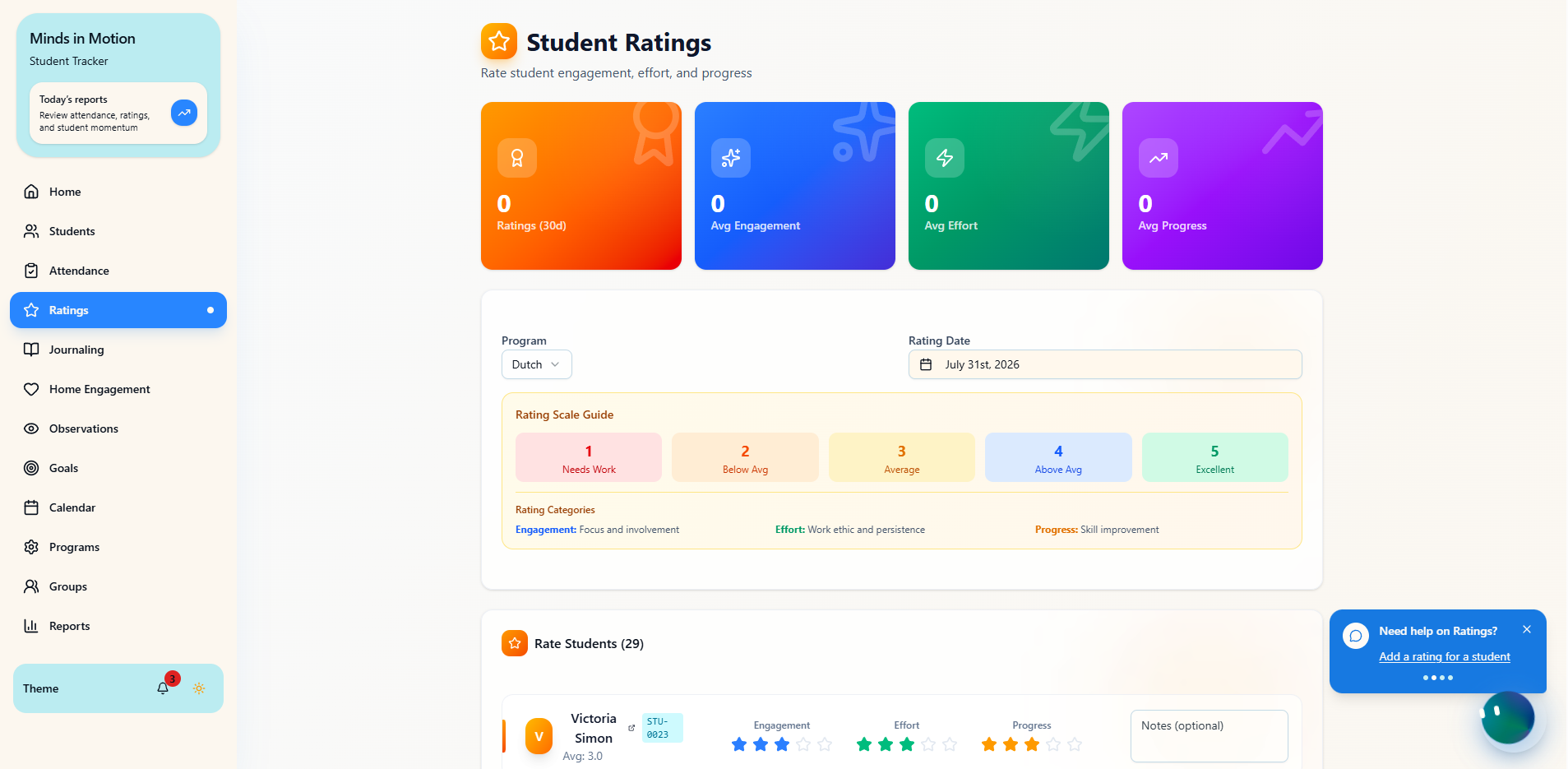
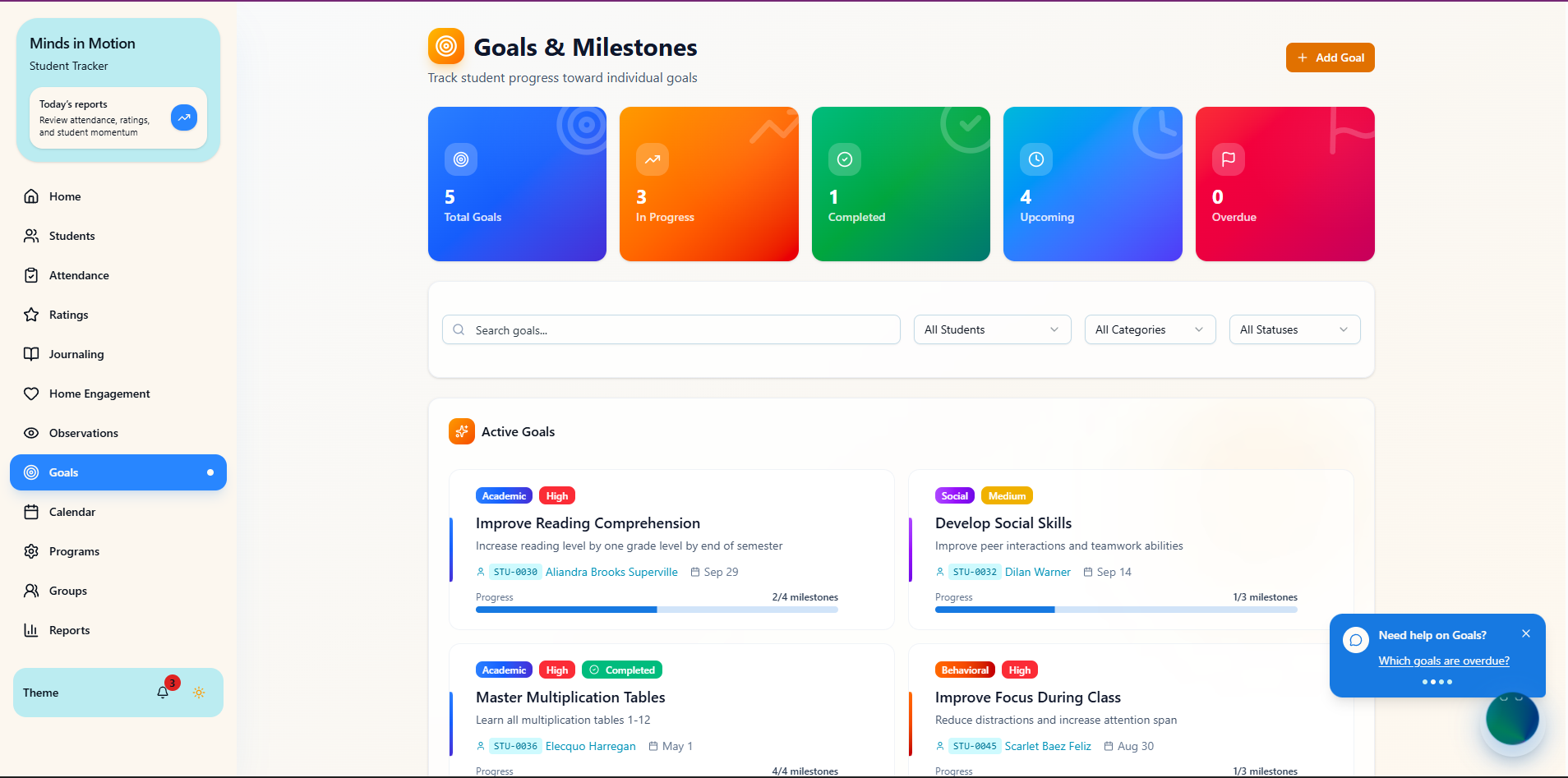
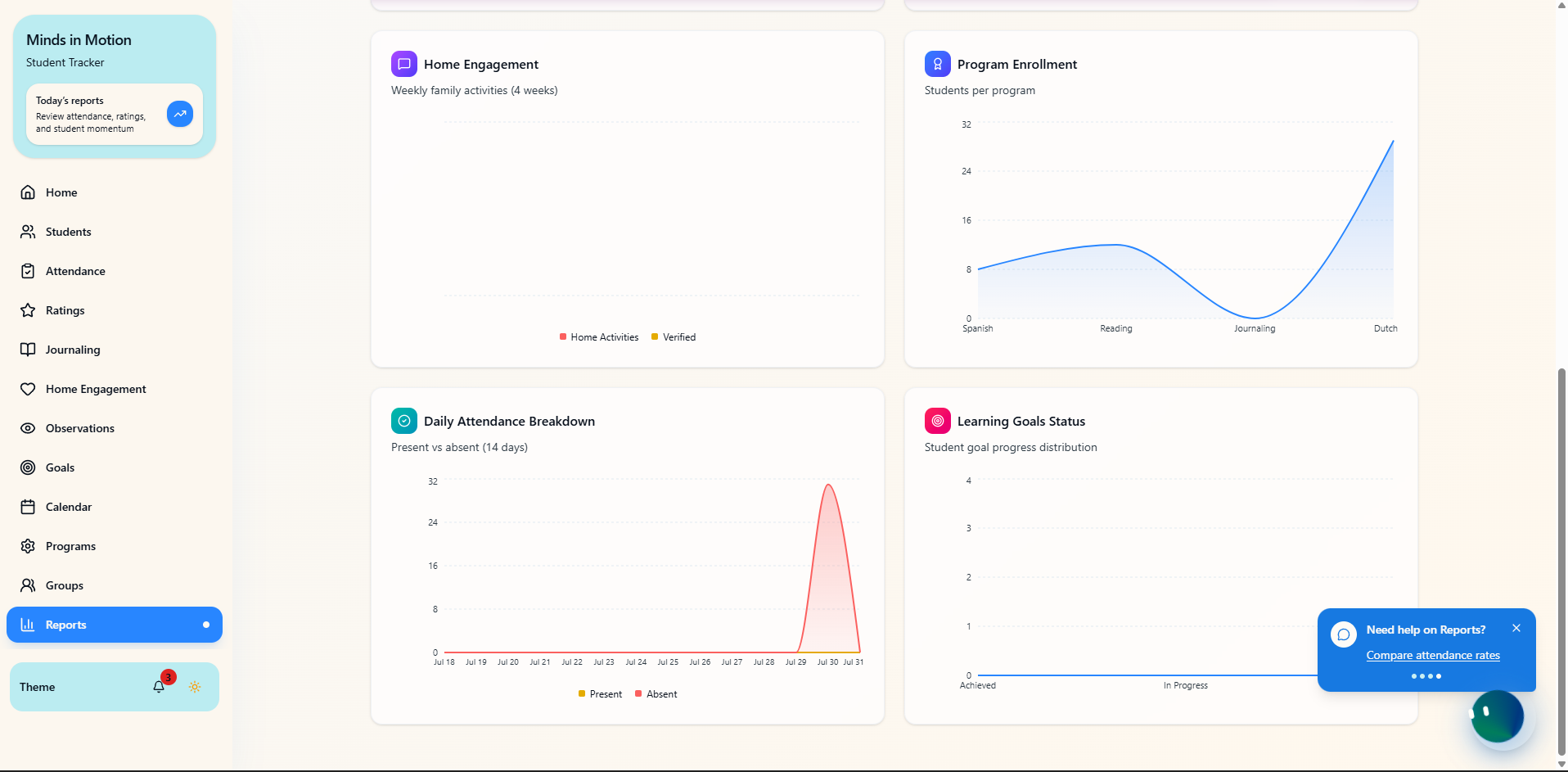
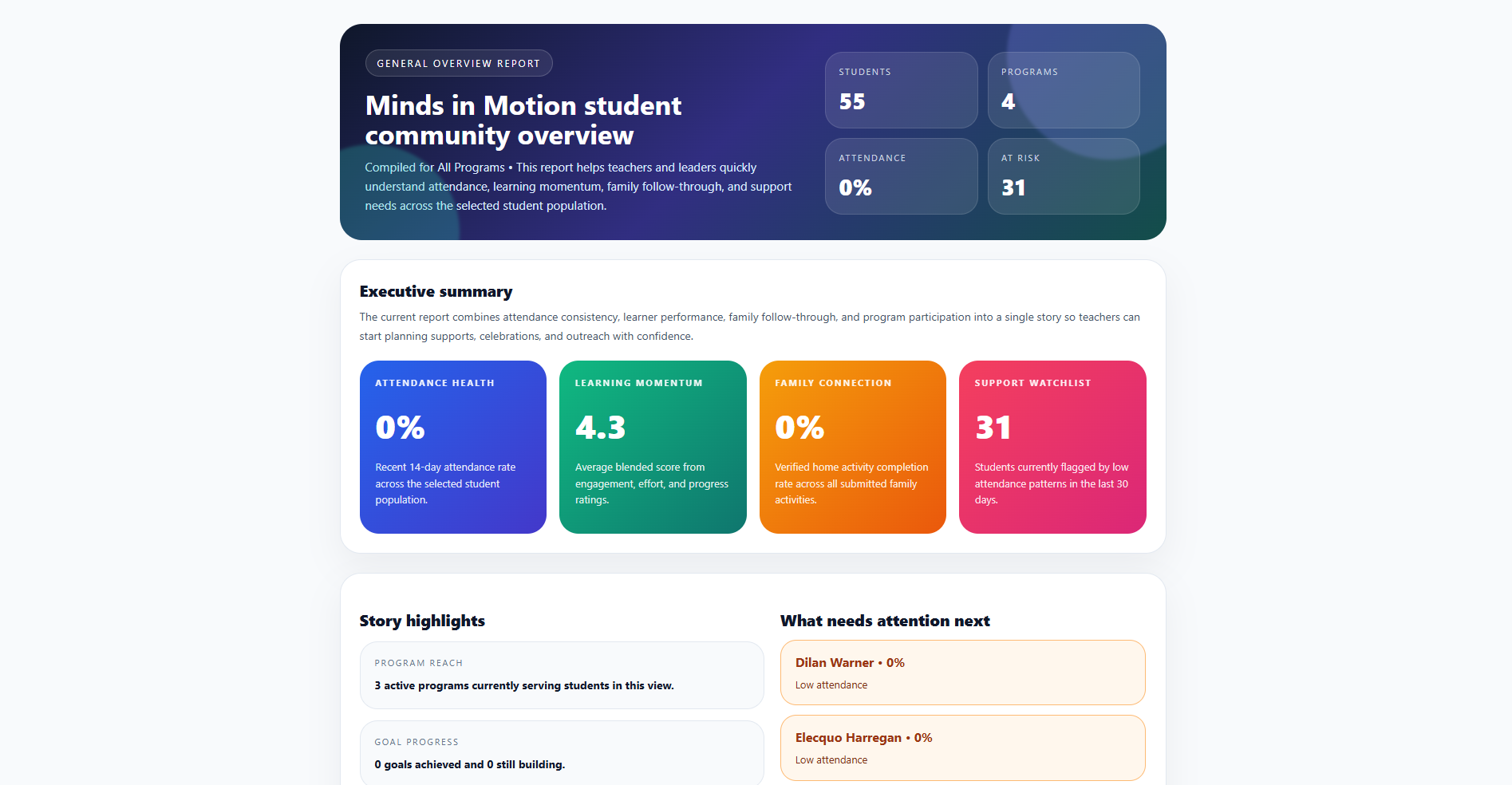
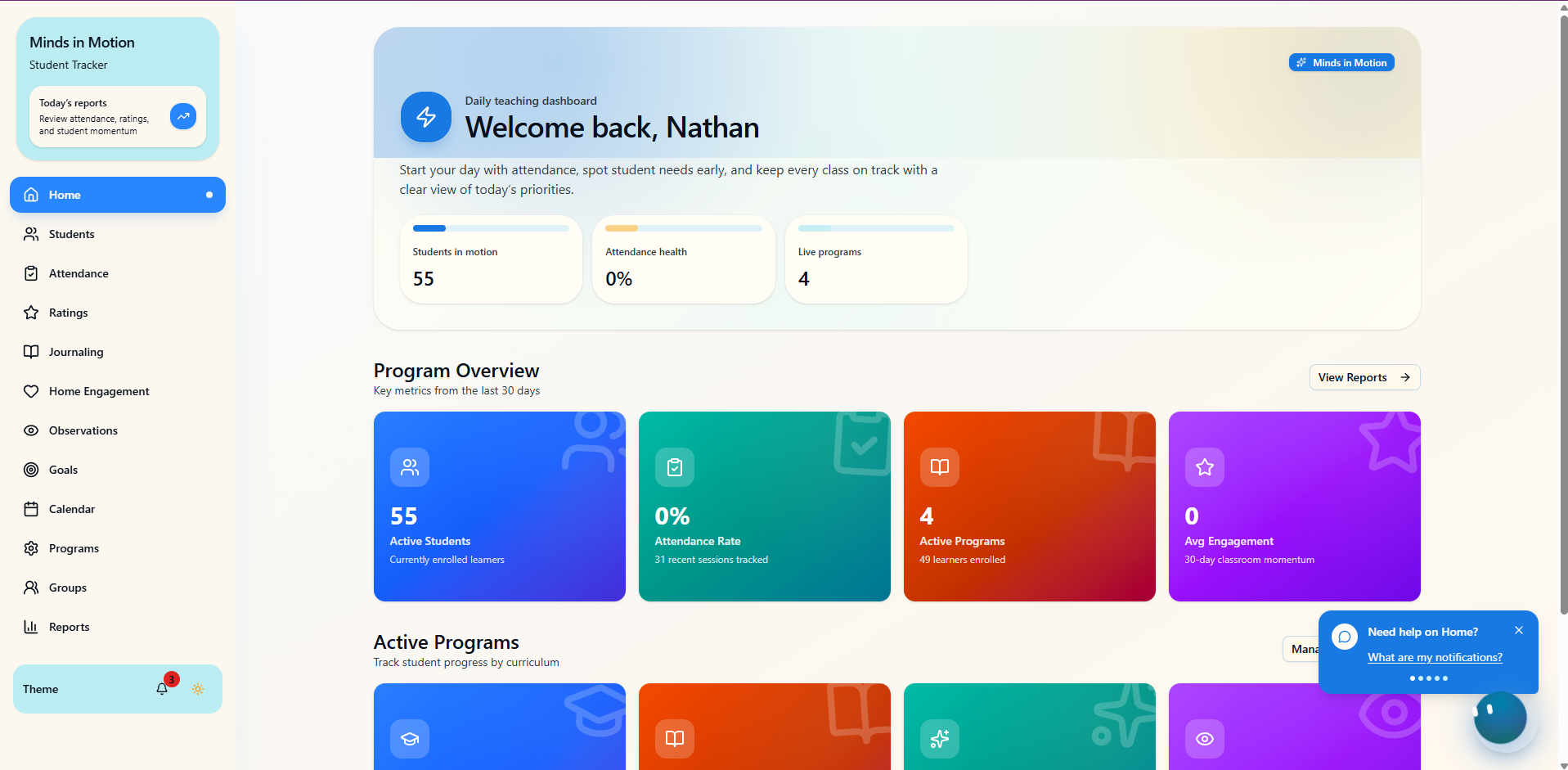
PurposeFlow designed a connected education operations system that brings student records, attendance, progress ratings, goals, and leadership reporting into one practical experience.
Application imagery shown from a demonstration environment.
How we work
A disciplined path from diagnosis to measurable improvement keeps the solution practical, relevant, and grounded in how the team operates.
Clarity
Blueprint
Working system
Review loop
What We Measure
A successful solution should improve more than the appearance of a process. PurposeFlow evaluates time, turnaround, visibility, ownership, reporting, adoption, and operational control.
Explore what we measureWhat we measure
Why PurposeFlow
PurposeFlow exists to make work clearer, more accountable, and easier to manage. We combine process thinking, practical automation, operational design, and decision-ready reporting to build systems that solve real organizational problems.
An operations and customer experience professional with hands-on experience in workflow governance, performance reporting, process improvement, and Microsoft-powered operational solutions.
Clear answers
What organizations usually want to understand before improving a process.
PurposeFlow designs practical operational systems—including workflow automations, team applications, structured trackers, and management dashboards—around a clearly defined process problem.
Yes. The Process Opportunity Check is a free guided diagnostic designed to identify whether an operational process may benefit from improvement. It does not include the full process mapping, value analysis, future-state design, or solution recommendation provided through a deeper Process Opportunity Assessment.
PurposeFlow reviews your responses to understand the process challenge and determine the most suitable next step. If the process requires deeper analysis, a paid Process Opportunity Assessment may be recommended before a solution is proposed.
A Process Opportunity Assessment may include current-state process mapping, workload analysis, operational-impact review, risk and accountability analysis, value measurement, future-state design, solution requirements, and a defined implementation recommendation.
After launch, PurposeFlow may provide stabilization support, user guidance, troubleshooting, reporting assistance, and agreed maintenance services. New features, major changes, additional workflows, or expanded reporting are scoped separately unless included in the original agreement.
PurposeFlow begins with the process and the required outcome rather than a specific platform. Microsoft business tools may be used where they are suitable, but the recommended solution depends on the organization’s environment, needs, users, data, risk, and implementation requirements.
Pricing is based on the problem being solved and the value, complexity, impact, and risk of the solution—not simply the hours required to build it. Any paid assessment or implementation is proposed clearly before work begins.
Not automatically. The first goal is to understand what already works. A solution may improve, connect, or add structure around existing tools before replacement is considered.
Free Process Opportunity Check
A free guided diagnostic designed to identify where time, follow-up, visibility, reporting, or accountability may be getting lost within an operational process.
A transparent next step
Completing the Process Opportunity Check does not create an obligation to purchase a solution.
We review the process challenge, current workload, operational impact, and signs of improvement potential.
Understand the challenge, desired outcome, and whether PurposeFlow is a good fit.
Straightforward opportunities may move directly to a scoped proposal. More complex opportunities may require a paid Process Opportunity Assessment before a solution is recommended.
Free Opportunity Check
Complete the free 5–7-minute check to identify where time, follow-up, visibility, reporting, or accountability may be getting lost.